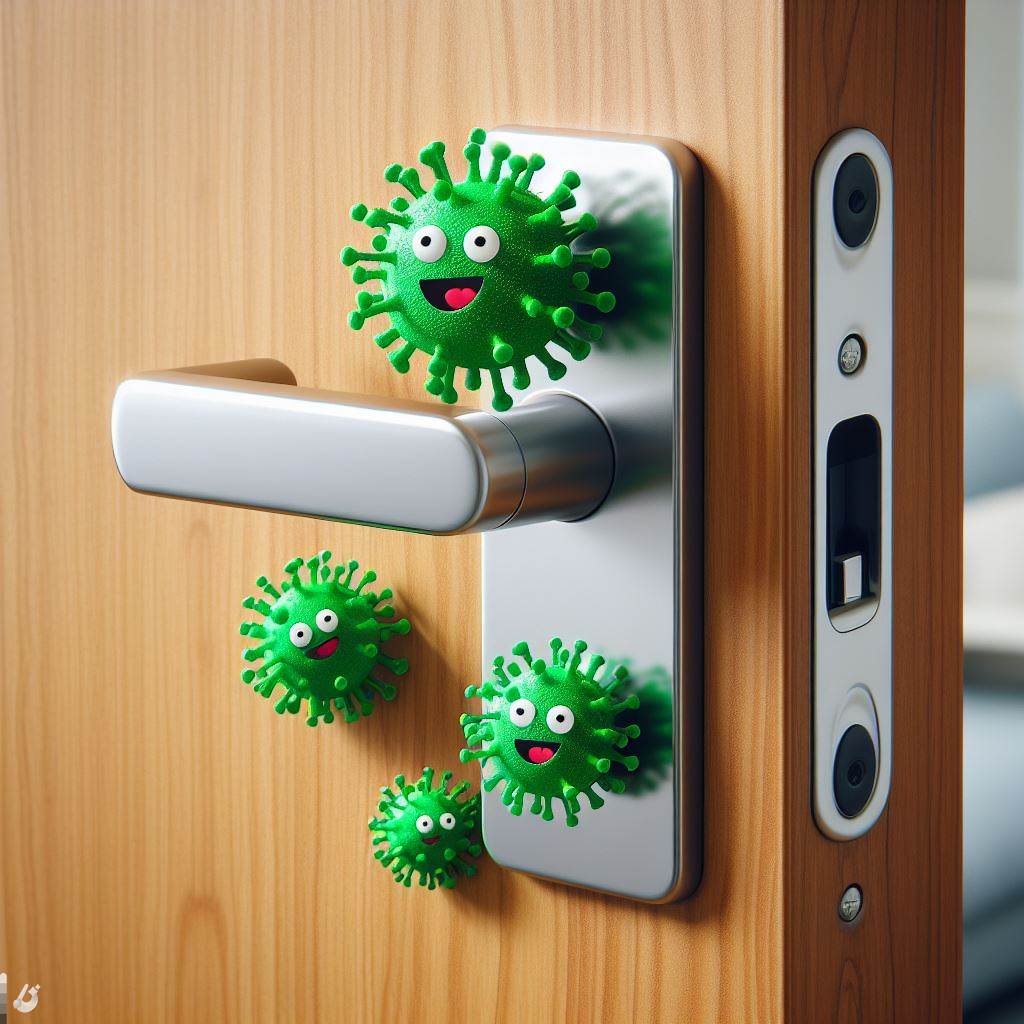
When it comes to maintaining a clean and healthy home, we often focus on obvious tasks like cleaning floors, wiping down countertops, or vacuuming carpets. However, one of the most frequently touched surfaces in your home—doorknobs—often gets overlooked. Doorknobs are high-touch areas that can harbor germs and bacteria, making them a key point of concern when it comes to your family’s health. Regularly cleaning and disinfecting doorknobs is a simple but essential practice that can significantly reduce the risk of illness spreading in your home. In this blog, we’ll explore why this often-overlooked chore is so important, how it impacts your family’s well-being, and best practices for keeping doorknobs clean.
Why Doorknobs Are Germ Hotspots
High-Touch Surfaces
Doorknobs are among the most frequently touched surfaces in any home. Every time someone opens or closes a door, they come into contact with the doorknob. This includes family members, guests, and even delivery personnel. With so many hands touching doorknobs throughout the day, they quickly become a hotspot for germs, bacteria, and viruses.
Cross-Contamination
Because doorknobs are touched by everyone, they are a common point of cross-contamination. Germs and bacteria from one person can easily be transferred to the doorknob and picked up by the next person who touches it. For example, someone who touches their face after sneezing or coughing can transfer those germs to the doorknob, where they can linger and spread to others in the household.
Longevity of Germs on Surfaces
Many germs, including viruses like the flu or cold viruses, can survive on surfaces for hours or even days. This means that even if someone with a cold touched a doorknob several days ago, those germs could still be present and pose a risk to others. Regularly disinfecting doorknobs is crucial for eliminating these lingering germs and reducing the risk of spreading illness.
The Health Impact of Ignoring Doorknob Cleaning
Increased Risk of Illness
When doorknobs are not regularly cleaned and disinfected, germs and bacteria can build up and increase the risk of illness spreading throughout the household. Cold and flu viruses, as well as bacteria like E. coli and Staphylococcus, can easily be transferred from person to person through contact with contaminated doorknobs. This is especially concerning in households with children, elderly family members, or individuals with weakened immune systems, as they are more susceptible to illness.
Worsened Allergy Symptoms
Dust, pollen, and other allergens can also accumulate on doorknobs, exacerbating allergy symptoms for sensitive individuals. While we often think of cleaning floors and furniture to reduce allergens, neglecting high-touch surfaces like doorknobs can allow allergens to continue circulating in the home. Regularly wiping down these surfaces can help reduce exposure to allergens and improve overall indoor air quality.
Foodborne Illness
If you’ve ever cooked a meal and then touched a doorknob before washing your hands, you may have unknowingly transferred bacteria like Salmonella or Listeria onto the surface. These harmful bacteria can then be picked up by others in the household, leading to foodborne illnesses. Keeping doorknobs clean and disinfected is particularly important in homes where cooking and food preparation take place, as it helps prevent the spread of these dangerous bacteria.
How Regular Cleaning and Disinfecting Keeps Your Family Healthy
Reduces the Spread of Germs
Cleaning and disinfecting doorknobs regularly can significantly reduce the spread of germs in your home. Disinfecting wipes or sprays kill bacteria and viruses on contact, preventing them from being passed on to the next person who touches the doorknob. This is especially important during cold and flu season, when germs are more likely to be circulating.
Promotes a Healthier Living Environment
A clean home is a healthier home. By regularly cleaning high-touch surfaces like doorknobs, you create a living environment that is less hospitable to germs and bacteria. This practice not only reduces the risk of illness but also promotes overall wellness for your family. You’ll have peace of mind knowing that your home is a safe and clean space where your loved ones can thrive.
Supports Good Hygiene Habits
Regularly cleaning and disinfecting doorknobs can encourage better hygiene habits for everyone in the household. When family members see that high-touch surfaces are being cleaned regularly, they may be more likely to wash their hands frequently, cover their mouths when coughing, and take other steps to prevent the spread of germs. This can create a ripple effect, leading to healthier habits that extend beyond the home.
Best Practices for Cleaning and Disinfecting Doorknobs
Use the Right Products
Not all cleaning products are effective at killing germs. When disinfecting doorknobs, it’s important to use a product that is specifically designed to kill bacteria and viruses. Look for disinfecting wipes, sprays, or solutions that contain ingredients like alcohol, hydrogen peroxide, or bleach. Be sure to follow the manufacturer’s instructions for proper use, including allowing the product to sit on the surface for the recommended amount of time to ensure maximum effectiveness.
Establish a Cleaning Routine
Make cleaning and disinfecting doorknobs a regular part of your household cleaning routine. High-touch surfaces like doorknobs should be cleaned at least once a week, and more frequently during times of illness or cold and flu season. Create a checklist that includes doorknobs throughout your home—front door, bedroom doors, bathroom doors, and even cabinet handles—and be consistent in your cleaning efforts.
Don’t Forget Other High-Touch Surfaces
While doorknobs are a critical focus, don’t forget about other high-touch surfaces in your home that can also harbor germs. Light switches, remote controls, faucet handles, and appliance handles should also be regularly cleaned and disinfected to keep your home as germ-free as possible.
Use Microfiber Cloths for Regular Wipe-Downs In addition to disinfecting, you can regularly wipe down doorknobs with a microfiber cloth to remove dust, dirt, and allergens. Microfiber cloths are excellent for trapping particles and can be used dry or with a mild cleaning solution for a quick touch-up between deep cleanings.
Teach Kids About Germs
Educating your children about the importance of keeping doorknobs and other surfaces clean can help instill good hygiene habits from a young age. Encourage them to wash their hands regularly, especially after touching high-traffic areas like doorknobs. Making cleaning a fun and educational activity can also help them understand the impact of germs on their health and the importance of staying clean.
Conclusion
Cleaning and disinfecting doorknobs may seem like a small task, but it can have a big impact on your family’s health. These high-touch surfaces are hotspots for germs, bacteria, and allergens, making them a critical focus in your home’s cleaning routine. By regularly cleaning and disinfecting doorknobs, you can reduce the spread of illness, create a healthier living environment, and support good hygiene habits. A little effort goes a long way in protecting your family and ensuring that your home is a safe and clean place to live.