In the hustle and bustle of modern life, our homes should be sanctuaries of comfort and well-being. However, many of us unknowingly expose ourselves to a variety of household toxins that can affect our health over time. Fortunately, there are practical steps you can take to create a healthier living environment. Let’s explore some effective strategies to reduce household toxins and promote a cleaner, fresher home.
- Choose Natural Cleaning Products
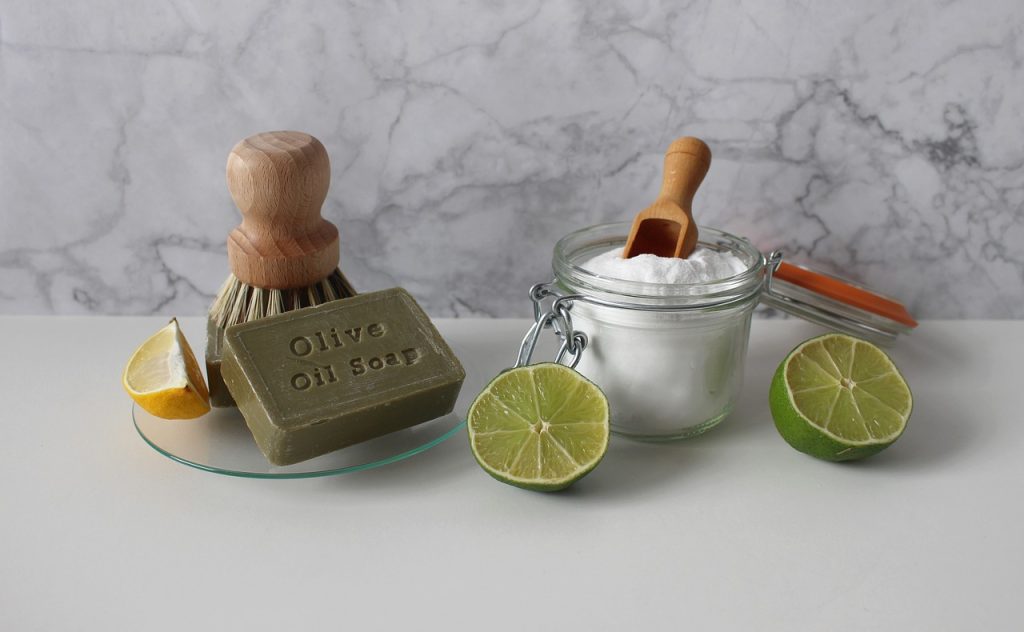
Swap out conventional cleaning products laden with harsh chemicals for natural alternatives. Many common household items, such as vinegar, baking soda, and lemon, can be powerful allies in keeping your home clean. Additionally, look for eco-friendly and non-toxic cleaning products that are free from harmful chemicals like chlorine, ammonia, and synthetic fragrances. - Improve Indoor Air Quality
Indoor air can be more polluted than outdoor air, mainly due to off-gassing from furniture, paint, and other household items. Enhance your indoor air quality by incorporating houseplants that naturally purify the air, such as spider plants, snake plants, and peace lilies. Consider using an air purifier with a HEPA filter to trap airborne particles and allergens. - Mindful Furnishing Choices
When selecting furniture and decor, opt for items made from natural, non-toxic materials. Solid wood, bamboo, and metal are great choices, while materials like particleboard or pressed wood may release harmful formaldehyde over time. Be sure to check for eco-friendly certifications when shopping for new furnishings. - Ditch Synthetic Fragrances
Commercial air fresheners and scented candles often contain synthetic fragrances that can release harmful volatile organic compounds (VOCs) into the air. Instead, opt for natural alternatives like essential oils and oil diffusers. You can create a personalized, toxin-free aroma while enjoying the therapeutic benefits of essential oils. - Upgrade Your Bedding
Considering the amount of time we spend in bed, it’s essential to prioritize a healthy sleep environment. Invest in organic cotton or bamboo bedding to reduce exposure to pesticides and chemicals. Choose a mattress made from natural materials, such as organic latex or wool, to avoid potentially harmful flame retardants. - Mind Your Plastics
Plastic products can leach harmful chemicals, especially when exposed to heat or sunlight. Reduce your reliance on plastic by using glass or stainless steel containers for food storage. Opt for BPA-free products, and consider alternatives like beeswax wraps instead of plastic wrap. - Regular Ventilation
Proper ventilation is crucial for reducing indoor air pollutants. Ensure your home is well-ventilated by opening windows regularly, using exhaust fans, and installing a ventilation system. This helps to expel indoor pollutants and bring in fresh, clean air.
Bonus Tip: DIY Green Cleaning
Experiment with creating your own green cleaning solutions using simple ingredients like vinegar, baking soda, and essential oils. Not only are these alternatives cost-effective, but they also eliminate the need for store-bought cleaners with potentially harmful ingredients.
In conclusion, creating a healthier home environment involves making mindful choices in your daily habits and the products you bring into your living space. By adopting these strategies to reduce household toxins, you can foster a cleaner, fresher home that promotes the well-being of both you and your loved ones. Make these changes gradually, and watch as your home transforms into a haven of health and happiness.